Bottle Banks and Bin Day Blues: 25 Linkword Hooks for Sorting Rubbish in Spain, France and Italy
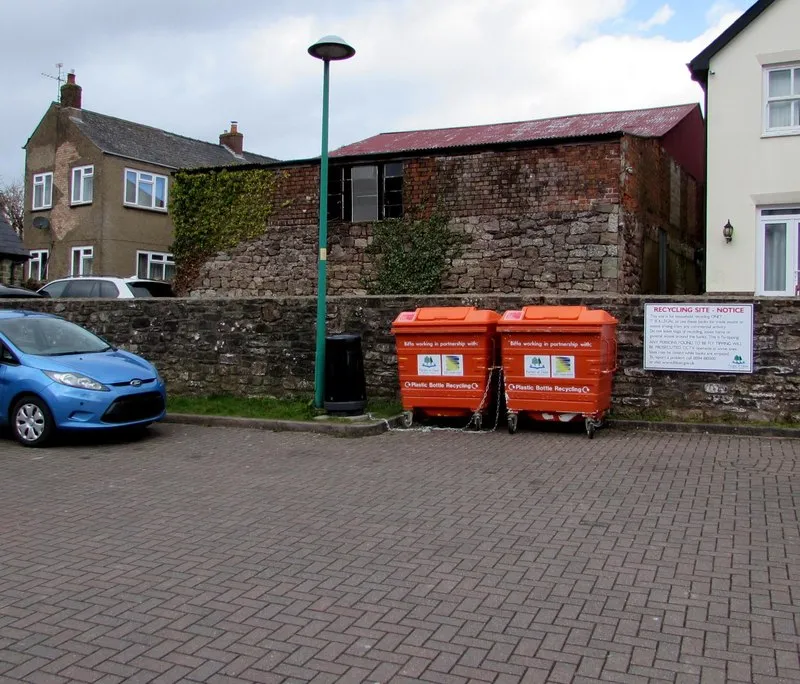
Photo: Jaggery, CC BY-SA 2.0, via Wikimedia Commons
You arrive at the self-catering flat, make a cup of tea, empty the suitcase, then face the first genuinely confusing holiday question: which bin does the teabag go in? At home, bin day might mean a wheelie bin, a recycling box and a food caddy. Abroad, it can mean a row of communal containers, a coloured lid, an underground bin or a machine that pays you back for an empty bottle. The vocabulary is different, the rules are local, and the UK instinct to bung everything in one bag is best left at passport control.
This is where linkwords earn their keep. A linkword is a sound-alike or picture hook that gives a foreign word somewhere to live in your memory. You do not need to become a waste-management expert. You just need enough word links to read the bin lid, find the bottle bank and avoid a note from the cleaner.
First, bin the UK assumptions
At home, recycling can feel like a single routine. Abroad, it is often a small family of containers, each with its own personality. A recycling symbol on a yogurt pot does not guarantee that the local collector wants it. A bottle bank may be a short walk away rather than a kerbside box. Deposit-return machines exist in some places and not others, and the rules can vary by town, region or even the company running the service.
So start with the flat, not the street. Check the welcome folder, the inside of the bin lid and any laminated diagram that looks as if it was designed by a committee. If in doubt, ask. The phrases below will help, and the hooks will stop them sliding out of your head.
Spain: basura, envases and the clean point
- basura (rubbish) — Bash it in the basura. Picture yourself bashing the lid down on a full bag before carrying it out.
- contenedor (container) — Ten doors. Imagine a big street container with ten little doors, each hiding a different rubbish-related mystery.
- envases (packaging) — In vases. The sound is close enough to picture a vase stuffed with plastic packaging, which is silly enough to stick.
- vidrio (glass) — Video. Film a glass bottle going into the bottle bank, then replay it when you see the word.
- papel y cartón (paper and card) — Paper and carton, with a Spanish accent. This one is almost a freebie.
- orgánico (food waste) — Organ-ico. Food scraps are the organic bits; picture a tiny organ in the food caddy.
- punto limpio (recycling centre) — Clean point. Point at the tidy tip and say it with confidence.
- devolución (return) — De-vol-you-shun. You return the bottle and do not shun the machine. Listen for it near deposit-return points.
France: poubelle, tri and the consigne
- poubelle (bin) — Poo-BELL. Imagine a little bell on the bin lid, ringing every time you get the sorting right.
- tri (sorting) — Try. Try to sort before you tip. Short, sharp and easy to remember.
- emballages (packaging) — Em-ball-ahj. Ball up the packaging in your head before you put it in the right container.
- verre (glass) — Very. Very clear glass, very French pronunciation.
- bouteille (bottle) — Bottle with a shrug. It is almost English, so let the French ending do the work.
- composteur (compost bin) — Composer. A composter with a French ending; picture it composing a quiet song over the potato peelings.
- déchetterie (recycling centre or tip) — Day's shed. A shed you visit for the day's waste.
- consigne (deposit) — Con-sign. Look for the sign that tells you how to get your deposit back.
Italy: spazzatura, bidone and the ecological island
- spazzatura (rubbish) — Spat-za-TOO-ra. You spat out the rubbish? Picture spitting out a grape pip before binning the rest.
- bidone (bin) — Bee-DOH-neh. Bees around a bin. Done.
- raccolta differenziata (separated collection) — Raccoon collection, different. A raccoon sorting different bins is nonsense, which is exactly why it works.
- vetro (glass) — Vet row. A row of glass bottles at the vet.
- plastica (plastic) — Plastic-a. The obvious one, with an Italian flourish.
- carta (paper) — Cart-a. A paper cart, loaded with old newspapers.
- organico (food waste) — Organic-o. The food-scraps bin, no detective work required.
- isola ecologica (recycling centre) — Ecological island. An island of skips and containers, floating in your imagination.
- vuoto a rendere (deposit return) — Empty to return. Vuoto sounds like empty; return the empty bottle and get your money back.
The habits that save a telling-off
Rinse jars and tins, but do not spend your holiday polishing them. A quick swill is usually enough. Do not put recycling in tied plastic bags unless the local instructions specifically ask for it; loose items are often preferred. Where glass banks are separated by colour, follow the labels rather than guessing. If a deposit-return machine needs the barcode, do not crush the bottle flat before you feed it in.
Greasy pizza boxes are a classic grey area. Many collectors reject the oily parts, so check local guidance rather than assuming. If the communal bin is full, do not stack bags beside it like a small monument to good intentions. Find the bottle bank or the punto limpio, déchetterie or isola ecologica. And if the flat has a food caddy, use only the liners the instructions mention; otherwise you may be creating more sorting work for someone else.
Useful phrases to keep handy: ¿Dónde está el contenedor? Où est la poubelle? Dov'è il bidone? They all mean roughly where is the bin, and the linkwords above will remind you which word belongs to which language.
Why sorting rules feel so different
There is rarely one national system to learn. Local councils, waste companies, tourist seasons and different collection contracts all shape what happens on the street. A coastal holiday flat may have different arrangements from an inland city apartment, and a deposit scheme may be a pilot in one area rather than a nationwide habit. That is why the bin lid and the welcome pack beat confident assumptions every time.
Treat the first bin question as part of the holiday admin, like finding the kettle or working out the shower. Learn a handful of sound-alike hooks, check the local instructions, and you can sort your rubbish without turning it into a crisis. Bin day abroad may not match bin day at home, but with a few linkwords you can at least look as if you have done it before.