Pocket Change, Clear Head: Twenty Word Links for Tipping in Spain, France and Italy
Tipping is one of those holiday tasks that looks tiny until you're holding a card machine like it's a live grenade. In the UK, we have a vague national script: round up, say thanks, don't make a fuss. Abroad, the script changes. Sometimes service is already in the bill. Sometimes a cover charge has quietly appeared. Sometimes the card terminal asks a question in a language you last studied in Year 9.
The good news is that you don't need to master a whole grammar book to tip with confidence. You need a handful of bill-related words and a memory hook strong enough to survive a second glass of rioja. That's the Linkword approach: attach the foreign word to a vivid mental image, and let the picture do the filing.
Start with the bill, not the tip
- La cuenta / l'addition / il conto — the bill. Hook: Spanish cuenta sounds like 'count' — count the coins. French addition is literally an addition sum. Italian conto is another count. Three countries, one maths headache.
- ¿Está incluido? / C'est inclus ? / È incluso? — is it included? Hook: 'included' hides 'in-clue-ded'. Look for the clue on the bill before you add anything.
- Servicio incluido / service compris / servizio incluso — service included. Hook: service is 'comprised' in the total in France; in Spain and Italy, look for the word servicio/servizio.
- Cubierto / couvert / coperto — cover charge. Hook: you're paying for the 'cover' — the table, bread, and sometimes the view.
The tip itself
- Propina / pourboire / mancia — tip. Hook: Spanish propina sounds like 'prop up' — a little prop for the waiter. French pourboire means 'for drinking' — tip money for a drink. Italian mancia sounds like 'man cheer' — a small cheer for the person who looked after you.
- Propina voluntaria / pourboire volontaire / mancia volontaria — optional tip. Hook: volunteer it; don't be volunteered.
- Sin propina / sans pourboire / senza mancia — no tip. Hook: 'sin' and 'sans' and 'senza' all wave 'without'. Useful when the machine asks and you'd rather not.
Change, cards and the awkward pause
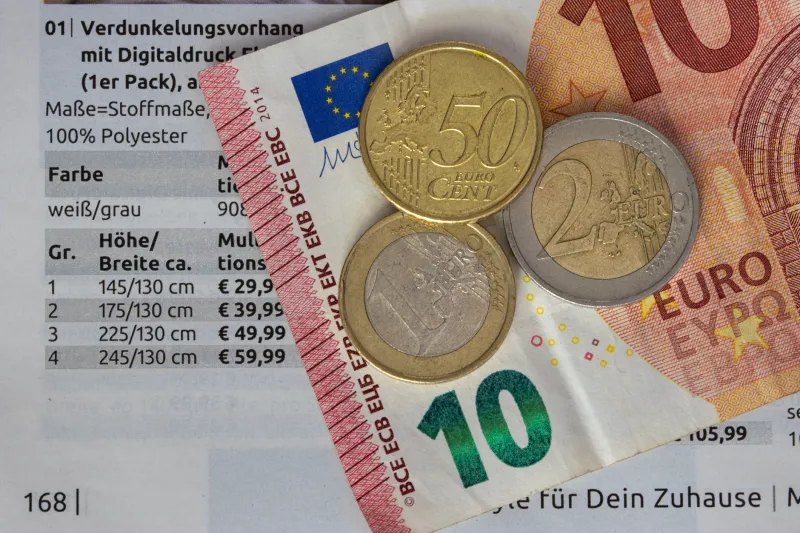
- El cambio / la monnaie / il resto — change. Hook: change, money, rest. The leftover coins.
- Quédese con el cambio / gardez la monnaie / tenga il resto — keep the change. Hook: 'stay with the change' in Spanish; 'guard the change' in French; 'have the rest' in Italian.
- Redondear / arrondir / arrotondare — to round up. Hook: all three sound like 'round' if you squint. Round up to the next euro and breathe.
- Un poquito más / un peu plus / qualcosina in più — a little more. Hook: 'plus' and 'più' are the little extra.
- Tarjeta / carte / carta — card. Hook: the card is a card. That one's almost too easy.
- Efectivo / espèces / contanti — cash. Hook: 'effective' money in Spain; 'species' of notes in France; 'counted' cash in Italy.
- ¿Puedo pagar con tarjeta? / Je peux payer par carte ? / Posso pagare con carta? — can I pay by card? Hook: pay-per-card. Say it before the bill arrives and avoid the shuffle.
- ¿Hay propina en la tarjeta? / Il y a un pourboire sur la carte ? / C'è la mancia sulla carta? — is there a tip option on the card? Hook: tip-on-card. The terminal may offer a percentage; you can say yes, no, or look panicked in three languages.
- Recibo / reçu / ricevuta — receipt. Hook: 'received' — you receive the receipt. Keep it for expenses or just for the small triumph of understanding it.
People and places
- Camarero / serveur / cameriere — waiter. Hook: the Spanish camarero has a 'camera' — picture them taking your order. French serveur serves; Italian cameriere also carries the camera.
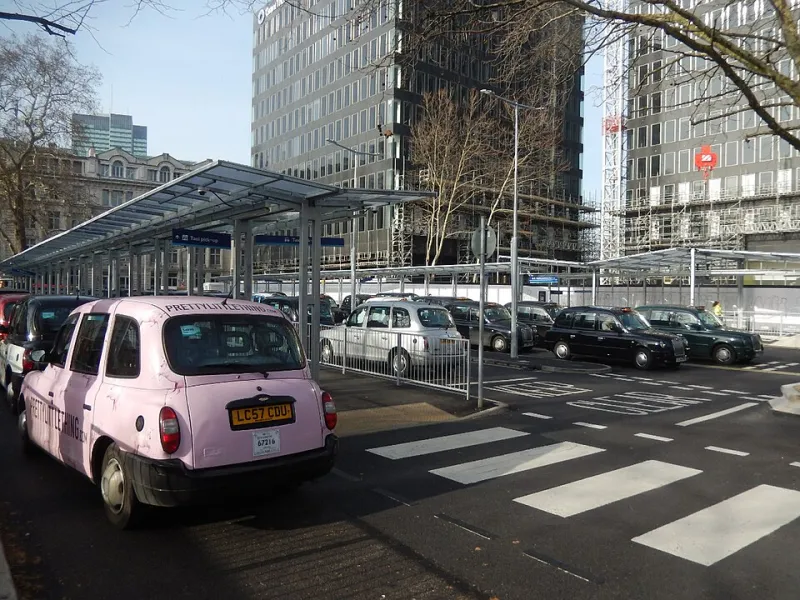
- Taxista / chauffeur / tassista — taxi driver. Hook: taxi-plus-person. Round up the fare, especially at night or with luggage.
- Botones / bagagiste / facchino — porter or bellhop. Hook: 'buttons' — the person who presses the lift button and carries your bag. French bagagiste handles bags; Italian facchino does the fetching.
- ¡Qué amable! / C'est gentil ! / Che gentile! — how kind! Hook: kind words are free, and they make the next request easier.
Spain: small change, low drama
In Spain, service is often included, especially in cafés and restaurants. Tipping is not a grand performance. Leave a euro or two for good service, round up the taxi fare, and hand a euro or two per bag to hotel staff. If you're paying by card, the terminal may ask about a tip; you can decline with 'sin propina, gracias'. The safest phrase is '¿Está incluido el servicio?' — is service included? Ask once, then relax.
France: service compris is your friend
France is the land of 'service compris'. By law, service is included in restaurant prices, so the pourboire is genuinely optional. Round up, leave a coin or two, or add a small note if someone has been especially lovely. Taxis: round up. Hotels: a euro or two for bags or a helpful front desk. Card machines may offer a tip prompt; 'sans pourboire' is your polite exit.
Italy: coperto is not a tip
Italy has its own rhythm. A coperto is a cover charge, not a tip. Some places add servizio, usually a percentage. Mancia is optional. In cafés, check whether you're standing or sitting — the price can change — but that's not a tip issue. Round up taxi fares and leave a euro or two for hotel porters. If the card machine asks, 'senza mancia' works, or add a small amount if you want to.
The pocket-sized rule
The trick isn't memorising every tipping rule in Europe. It's having a few phrases ready so you can read the bill, ask the question, and make a choice without turning into a sweaty tourist. Linkword hooks give you a picture for each phrase: count the cuenta, guard the monnaie, wave away the mancia. After that, tipping is just a small, polite decision — not a language exam.